


Technical and Operational Characteristics
Precision engineering, 211-hectare land optimisation and 275 kV high-voltage transmission built to IFC and World Bank standards.
TECHNICAL AND OPERATIONAL CHARACTERISTICS
The Chibuto Solar Power Plant will be implemented in the Chibuto District, in the Gaza Province, in an area located between the Administrative Posts of Chibuto Sede and Godide, covering the villages of Canhavano, Muxequiwa and Vanganhecane. This strategic location, about 12 km from the city of Chibuto, offers good accessibility and integration conditions into the national electricity grid.
The project, initially registered to occupy an area of 385.6 hectares, was optimised after preliminary studies, having its implementation area adjusted to 211 hectares. This optimisation resulted from the consideration of technical, environmental and social factors, ensuring the project's viability with the lowest possible impact on the territory and local communities.
Applied Technology:
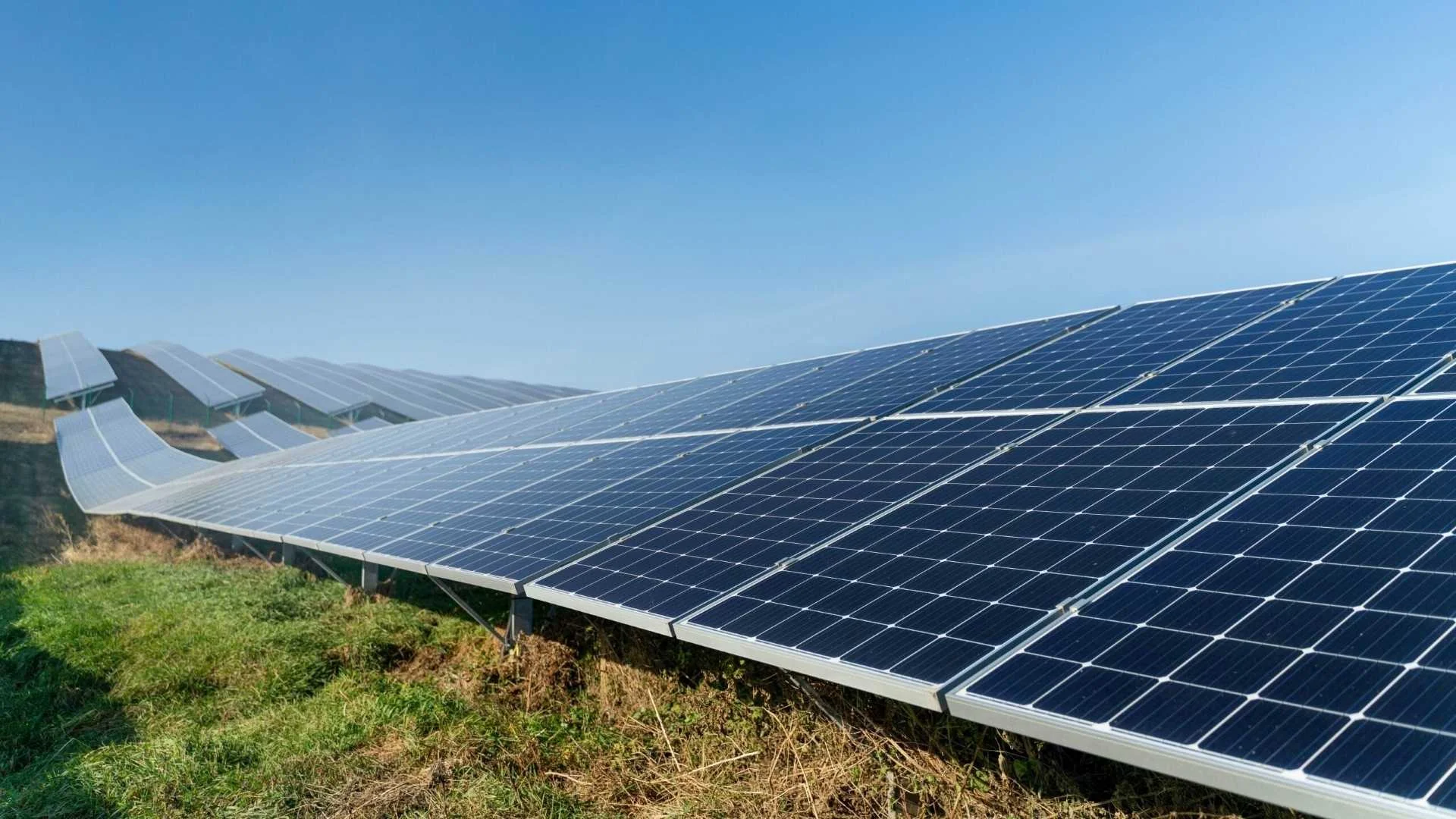
- High efficiency photovoltaic solar panels
- Inverters for converting direct current (DC) into alternating current (AC)
- Transformers for voltage step up
- Possibility of future integration of batteries for storage and production stabilisation
Production Capacity:
Transmission System:
- Two 275 kV high voltage transmission lines
- Approximate total length of 10 km
- Route between the Solar Power Plant and the Chibuto Substation
Grid Integration, Stability and International Standards
The connection of the plant to the grid will be ensured by two high voltage transmission lines (275 kV), with a length of approximately 10 kilometres, which will make the direct interconnection to the Chibuto Substation, currently in an advanced stage of construction in the locality of Kanhavane. This connection will ensure the transmission of the energy produced to the National Electricity Grid (REN), contributing to reinforcing the country's energy supply.
The technical system will also include batteries and storage systems (subject to the project's future evolution), which can be used to manage the intermittency of solar production, optimise grid stability and ensure a more continuous supply, especially during periods of low radiation.
The entire project was designed according to the most demanding international engineering, safety and sustainability criteria, complying with the standards of the IFC (International Finance Corporation), the World Bank and Mozambican environmental legislation.
The Chibuto Solar Power Plant is being developed and planned with high technical rigour, and reflects the example of how integrated planning and sustainable engineering can converge to implement a benchmark generation project.
From feasibility studies to technical design, our focus has been to recommend the best technical options to ensure operational efficiency, compatibility with the national grid and the longevity of the infrastructure. This project has the potential to reinforce Mozambique's energy matrix and is set to prove that the country has the capacity to implement technological solutions on a large scale and with international quality standards.